

Winter Operation Guide for Aerial Work Vehicles & Aerial Work Platforms: Safety & Efficiency Tips
As winter arrives with heavy snowfall and freezing temperatures, operators of Aerial Work Vehicles (AWVs) and Aerial Work Platforms (AWPs) must take extra precautions. Proper preparation and maintenance are essential to keep these machines running safely and efficiently in cold conditions. This guide provides actionable, SEO‑optimized tips to protect your equipment, reduce downtime, and ensure compliance with safety standards
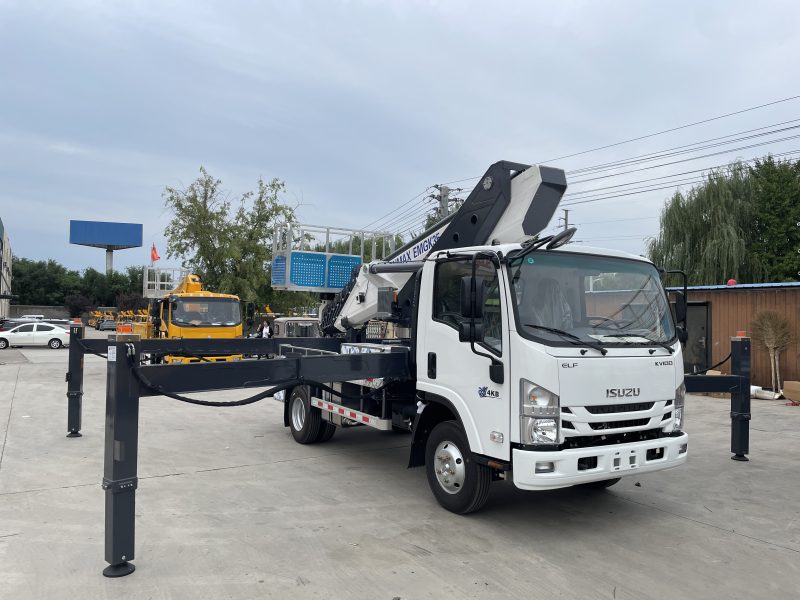
1. Essential Pre‑Operation Warm‑Up for Aerial Work Platforms
Before you start any task with an Aerial Work Platform, never jump straight into operation after a cold start. A thorough warm‑up is the foundation of reliable winter performance.
Step‑by‑step warm‑up procedure for AWPs:
- Idle the engine for at least 5 minutes. This allows internal components of the Aerial Work Platform to reach optimal operating temperature.
- Engage the Power Take‑Off (PTO). Run the PTO for 5 minutes to circulate hydraulic oil throughout the system.
- Cycle the outriggers. Extend and retract them 5–7 times. This movement pushes oil through the hydraulic circuits, removing air bubbles and preventing cold‑induced viscosity issues.
- Perform unloaded boom motions. Lift and telescope the boom 2–3 times without load. This “exercises” the hydraulic system of your Aerial Work Vehicle and ensures smooth operation.
- Level the basket. Run the leveling system repeatedly before work begins. This clears the hydraulic circuits and protects the Aerial Work Platform from sudden pressure spikes.
Only after completing these steps should you begin actual work. Skipping the warm‑up routine is a leading cause of hydraulic failure in cold weather.
2. Diesel Fuel Best Practices for Aerial Work Vehicles
When temperatures drop below 0 °C, diesel fuel can form wax crystals—especially in low‑quality blends. This “gelling” blocks fuel lines and makes startup difficult for any Aerial Work Vehicle.
How to choose the right diesel for AWVs:
| Temperature Range | Recommended Diesel Grade | Why It Matters |
|---|---|---|
| -5 °C to 0 °C | Diesel #2 (Winter Blend) | Contains additives that lower the cloud point, reducing wax formation. |
| Below -10 °C | Arctic or #1 Diesel | Has a lower pour point and fewer waxy compounds—ideal for Aerial Work Platforms operating in extreme cold. |
| Any Temperature | Premium, Reputable Supplier | High‑quality diesel contains fewer gums, sediments, and moisture that accelerate waxing and clog filters. |
Key actions:
- Never mix fuel grades unless the supplier explicitly approves it. Mixing can destabilize the blend and increase waxing risk.
- Use a fuel conditioner designed for cold‑weather operation. It helps keep the fuel fluid and protects the engine of your Aerial Work Vehicle.
- Check fuel filters monthly during winter. Cold fuel can trap more contaminants, leading to clogs in the precise hydraulic systems of Aerial Work Platforms.
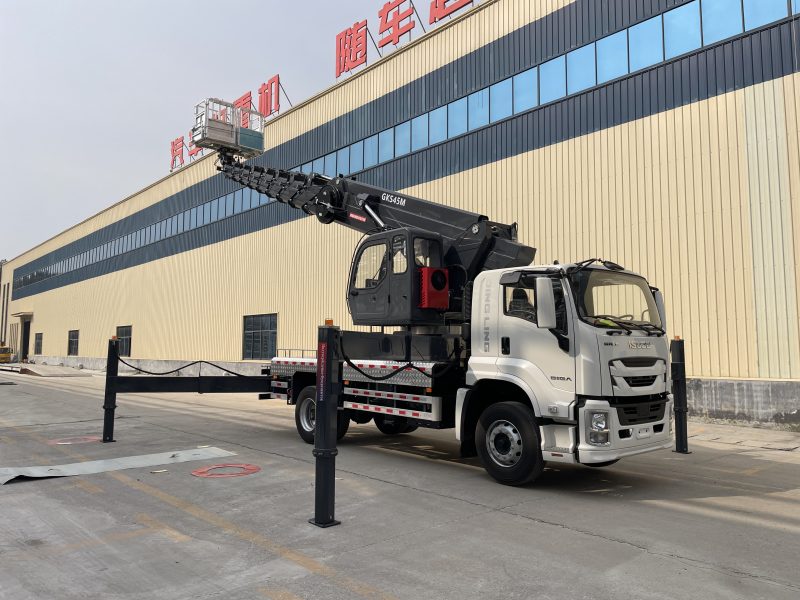
3. Optimal Fluid Selection for Aerial Work Platforms: Hydraulic Oil & Coolants
✔️ Hydraulic Oil for AWPs
Choose low‑viscosity synthetic oil. Look for ISO VG 32 or ISO VG 46 with a wide temperature range (-40 °C to +80 °C). Synthetic formulations stay fluid at low temps, resist oxidation, and provide superior anti‑wear protection.
Why it matters: Conventional oils thicken in cold weather, slowing the hydraulic system of your Aerial Work Platform and causing jerky boom movements or outrigger delays.
✔️ Engine Oil for Aerial Work Vehicles
Use the correct SAE grade based on ambient temperature:
- -5 °C to 0 °C: SAE 5W‑30 (ideal balance of cold‑start flow and protection).
- Below -10 °C: SAE 0W‑40 (maximizes flow in extreme cold).
Synthetic blends are strongly recommended because they maintain viscosity stability, reduce engine wear, and improve fuel efficiency for any Aerial Work Vehicle.
✔️ Antifreeze / Coolant for AWPs
Never rely on plain water. Water freezes at 0 °C and can crack the engine block or radiator of an Aerial Work Platform.
- -15 °C protection: Standard “light‑duty” coolant (commonly 30% glycol mix).
- -40 °C protection: Heavy‑duty coolant (typically 50% glycol mix).
Check the coolant level weekly during winter. Low levels indicate a leak, which can cause overheating even in cold weather.
4. Bonus Winter‑Ready Checklist for Aerial Work Vehicles & Platforms
Action
| Frequency | Benefit for AWVs / AWPs | |
|---|---|---|
| Inspect tires & tracks | Before each shift | Ensures stable positioning on icy surfaces; prevents slippage of the Aerial Work Platform. |
| Lubricate pivot points | Weekly | Cold weather thickens lubricants—fresh, low‑temp grease keeps booms and outriggers moving smoothly. |
| Store equipment indoors | When not in use | Prevents fuel waxing and hydraulic oil thickening; extends the life of any Aerial Work Vehicle. |
| Carry a cold‑weather emergency kit | Always | Include jump‑starter, extra coolant, and a fuel‑conditioner pack for rapid response. |
Why This Guide Matters for Your Aerial Work Platforms
Winter doesn’t have to mean downtime for your Aerial Work Vehicles. By following these targeted steps—proper warm‑up, premium diesel selection, and the right hydraulic/coolant fluids—you’ll:
- Boost safety by eliminating unexpected hydraulic failures.
- Maintain productivity with reliable starts and smooth operations.
- Extend equipment life, protecting your investment in Aerial Work Platforms for years to come.
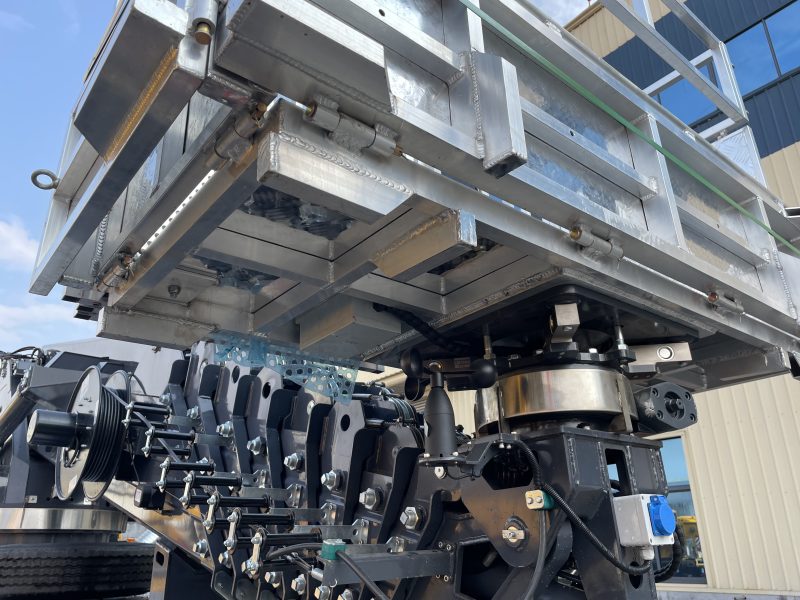
Remember: When it comes to cold‑weather performance, preparation is the most powerful tool in the toolbox of any professional operating Aerial Work Vehicles or Aerial Work Platforms. Stay warm, stay safe, and keep working efficiently all season long!